

Pelvic Pain Without a Diagnosis


Most people with pelvic pain don’t have a clear diagnosis at first. We help you understand your symptoms, explore possible causes, and take the next step toward clarity and the right care with guidance you can trust.

Pelvic pain is one of the most misdiagnosed conditions in medicine. Many doctors simply aren’t trained to recognize pelvic nerve problems, pelvic floor dysfunction, or nerve–muscle interactions.
As a result, patients are often told:
“Everything looks normal.”
“Your tests are fine.”
“It’s probably psychological.”
But pelvic pain can come from structures that don’t show up on standard imaging. A specialist evaluation helps determine whether your symptoms relate to nerves, muscles, ligaments, or another pelvic structure.
Pelvic pain is one of the most misdiagnosed conditions in medicine. Many doctors simply aren’t trained to recognize pelvic nerve problems, pelvic floor dysfunction, or nerve–muscle interactions.
As a result, patients are often told:
“Everything looks normal.”
“Your tests are fine.”
“It’s probably psychological.”
But pelvic pain can come from structures that don’t show up on standard imaging. A specialist evaluation helps determine whether your symptoms relate to nerves, muscles, ligaments, or another pelvic structure.

Your symptoms may be confusing or inconsistent, and that is normal. Many pelvic conditions share overlapping signs. Common symptoms include:
• Pelvic, groin, buttock, or genital pain
• Burning, stabbing, or radiating sensations
• Pain that worsens when sitting
• Numbness or altered feeling
• Pain that comes and goes
• Difficulty identifying where the pain starts
• Symptoms that don't match standard sciatica or back issues
These do not confirm a diagnosis, but they help us understand which pathways may be involved.
Your symptoms may be confusing or inconsistent, and that is normal. Many pelvic conditions share overlapping signs. Common symptoms include:
• Pelvic, groin, buttock, or genital pain
• Burning, stabbing, or radiating sensations
• Pain that worsens when sitting
• Numbness or altered feeling
• Pain that comes and goes
• Difficulty identifying where the pain starts
• Symptoms that don't match standard sciatica or back issues
These do not confirm a diagnosis, but they help us understand which pathways may be involved.
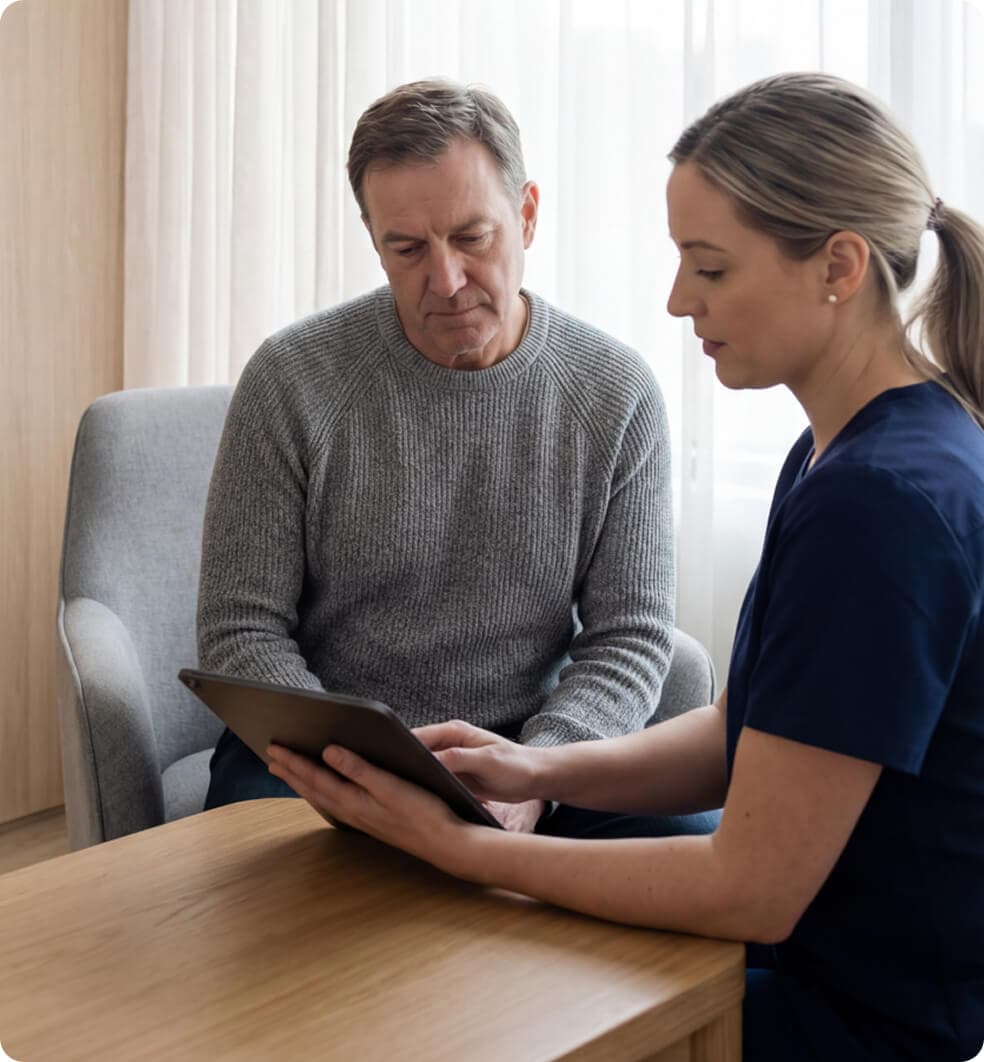
These are some of the pelvic pain–related conditions patients often bring to us. You don’t need to know which one applies to you, as this list simply helps you see what we commonly evaluate.
• Pelvic Pain (CPPS)
• Prostatitis
• Proctalgia Fugax
• Coccydynia (Tailbone Pain)
• Dyspareunia (Pain with Intercourse)
• Pelvic Floor Dysfunction
• Lower Back & Hip-Related Pelvic Pain
• Interstitial Cystitis / Bladder Pain Syndrome
These are some of the pelvic pain–related conditions patients often bring to us. You don’t need to know which one applies to you, as this list simply helps you see what we commonly evaluate.
• Pelvic Pain (CPPS)
• Prostatitis
• Proctalgia Fugax
• Coccydynia (Tailbone Pain)
• Dyspareunia (Pain with Intercourse)
• Pelvic Floor Dysfunction
• Lower Back & Hip-Related Pelvic Pain
• Interstitial Cystitis / Bladder Pain Syndrome

Pelvic pain can be influenced by multiple structures. Some possible sources include:
• Pelvic nerve compression (including the pudendal nerve)
• Piriformis muscle tension or irritation
• Other deep gluteal muscles pressing on nerve pathways
• Pelvic floor muscle dysfunction
• Hip or sacroiliac joint involvement
• Postural or movement-related tension
• Previous injuries or repetitive strain
Understanding which structures are involved is the first step toward effective care.
Pelvic pain can be influenced by multiple structures. Some possible sources include:
• Pelvic nerve compression (including the pudendal nerve)
• Piriformis muscle tension or irritation
• Other deep gluteal muscles pressing on nerve pathways
• Pelvic floor muscle dysfunction
• Hip or sacroiliac joint involvement
• Postural or movement-related tension
• Previous injuries or repetitive strain
Understanding which structures are involved is the first step toward effective care.

We never rely on symptoms alone. Our evaluation includes:
• A detailed discussion of your symptoms and history
• Review of prior diagnoses and unsuccessful treatments
• Targeted physical tests for pelvic nerves and muscles
• Pelvic alignment and mobility assessment
• Neurological evaluation when needed
• Additional imaging or diagnostic injections in complex cases
Our goal is to determine whether your pain relates to nerves, muscles, or a combination.
We never rely on symptoms alone. Our evaluation includes:
• A detailed discussion of your symptoms and history
• Review of prior diagnoses and unsuccessful treatments
• Targeted physical tests for pelvic nerves and muscles
• Pelvic alignment and mobility assessment
• Neurological evaluation when needed
• Additional imaging or diagnostic injections in complex cases
Our goal is to determine whether your pain relates to nerves, muscles, or a combination.

Your treatment plan depends on your symptoms, underlying causes, and response to previous care. Options may include:
• Targeted physiotherapy
• Gentle stretching and mobility exercises
• Postural modifications
• Local injections when appropriate
• Activity adjustments to reduce aggravating factors
• Stress- and pain-management strategies
If your symptoms persist, we look deeper to understand the true cause.
Your treatment plan depends on your symptoms, underlying causes, and response to previous care. Options may include:
• Targeted physiotherapy
• Gentle stretching and mobility exercises
• Postural modifications
• Local injections when appropriate
• Activity adjustments to reduce aggravating factors
• Stress- and pain-management strategies
If your symptoms persist, we look deeper to understand the true cause.
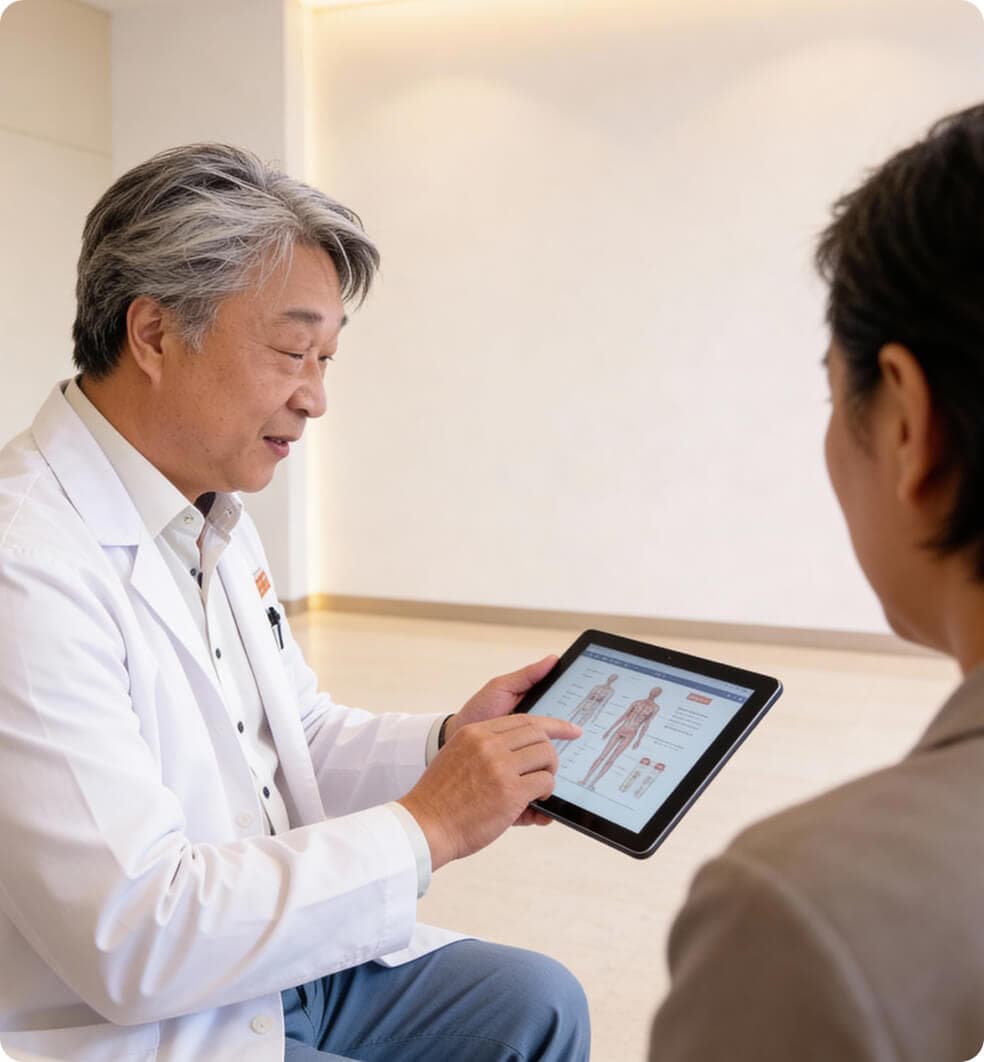
A specialist evaluation may be helpful if:
• You’ve been in pain for weeks or months
• Treatments for “back issues” haven’t worked
• Symptoms worsen with sitting
• You’ve been told different things by different doctors
• Your imaging is normal but pain continues
• You feel unsure whether the cause is nerve, muscle, or joint related
• You’re frustrated and still without clear answers
Specialized evaluation can reveal conditions that general healthcare often misses.
A specialist evaluation may be helpful if:
• You’ve been in pain for weeks or months
• Treatments for “back issues” haven’t worked
• Symptoms worsen with sitting
• You’ve been told different things by different doctors
• Your imaging is normal but pain continues
• You feel unsure whether the cause is nerve, muscle, or joint related
• You’re frustrated and still without clear answers
Specialized evaluation can reveal conditions that general healthcare often misses.
Your Care Journey
Finding answers when you’re unsure what’s wrong can feel overwhelming. That’s why we guide you through a clear, proven pathway from your first consultation to recovery.
Every stage is personal, precise, and focused on long-lasting relief.
Consultation
Start With Clarity
Your journey begins with an online or in-person consultation. We listen carefully to your symptoms, history, and previous medical evaluations to understand what you’re experiencing, even when the cause is unclear.
Diagnosis
Pinpointing the Cause
We perform targeted tests to identify whether your symptoms stem from pelvic nerves, gluteal muscles, the spine, or a combination. This step brings clarity to conditions that standard exams often overlook.
Treatment Plan
Your Path Forward
We start with conservative treatments tailored to your symptoms. If pain persists, we reassess and plan further diagnostics or interventions as needed.
Surgery
Expert Intervention
If your evaluation reveals nerve compression or muscle-related causes that require surgery, our specialists explain all options clearly and provide safe, minimally invasive treatment at our dedicated centers.
Recovery
Ongoing Support
Support continues well after treatment. We guide you through recovery with physical therapy recommendations, activity guidelines, and follow-up care so you feel supported at every stage of healing.


Need a Clearer Diagnosis?
Pelvic pain can be complex, but you don’t have to navigate it alone. Our specialists can help you understand what’s causing your symptoms and guide you toward the right next steps.
Why Specialized
Evaluation Matters
Pelvic pain often involves overlapping structures and symptoms, making diagnosis difficult. At our centers in Dubai and Belgium, specialized evaluation helps clarify the true source of pain and guide appropriate care, even when answers have been difficult to find.

Focused Expertise
Dedicated evaluation of complex pelvic pain and overlapping pain conditions.

Differential Diagnosis
Assessment to distinguish pelvic pain from other causes.

Targeted Testing
Clinical examination and diagnostics tailored to pelvic and nerve-related pain.

Treatment Planning
Clear care pathways based on confirmed diagnosis and clinical findings.
Frequently Asked Questions
(FAQ)
Pelvic pain is often complex and difficult to interpret, especially when symptoms overlap or prior treatments haven’t helped. These FAQs address common questions and help clarify when specialized evaluation may be useful and what steps may follow.
Pelvic pain can arise from nerves, muscles, joints, or pelvic organs, and many of these structures create similar symptoms. Standard imaging does not always detect nerve or muscle irritation, which is why patients are often told their tests look normal. A specialist evaluation helps identify the true source of symptoms.
You may benefit from a specialist assessment if pain has lasted more than a few weeks, keeps returning, worsens with sitting, or continues despite treatments focused on the back or spine. A specialist can help determine whether nerves, muscles, or joint structures are contributing.
No. Many patients start care before a confirmed diagnosis. Gentle physiotherapy, activity adjustments, posture modifications, and targeted exercises can reduce irritation while we work to understand the underlying cause.
Evaluation may include a detailed discussion of your symptoms, review of previous tests, targeted nerve and muscle assessments, pelvic alignment evaluation, and imaging or diagnostic injections when appropriate. These steps help clarify which structures are involved.
Yes. Nerve irritation or compression does not always appear on standard MRI or ultrasound. Symptoms often provide more reliable clues than imaging alone, which is why clinical testing is essential.
Many people with pelvic pain have tried physiotherapy, medications, or spinal treatments without relief. A focused pelvic nerve and muscle evaluation can uncover contributing factors that were previously overlooked.
Most patients improve with conservative treatments. Surgery is only considered when symptoms are severe, persistent, and clearly linked to a specific nerve or muscle compression. Your specialist will discuss whether surgical options are appropriate based on your evaluation.
Recovery depends on the cause of pain and how long symptoms have been present. Some patients notice improvement within weeks, while others require a longer, structured approach. Your care plan is adjusted based on how your symptoms evolve over time.
Still unsure about your symptoms?
Our specialists can help you understand what’s causing your pain and guide you toward the right next steps.