

Pudendal Nerve Surgery
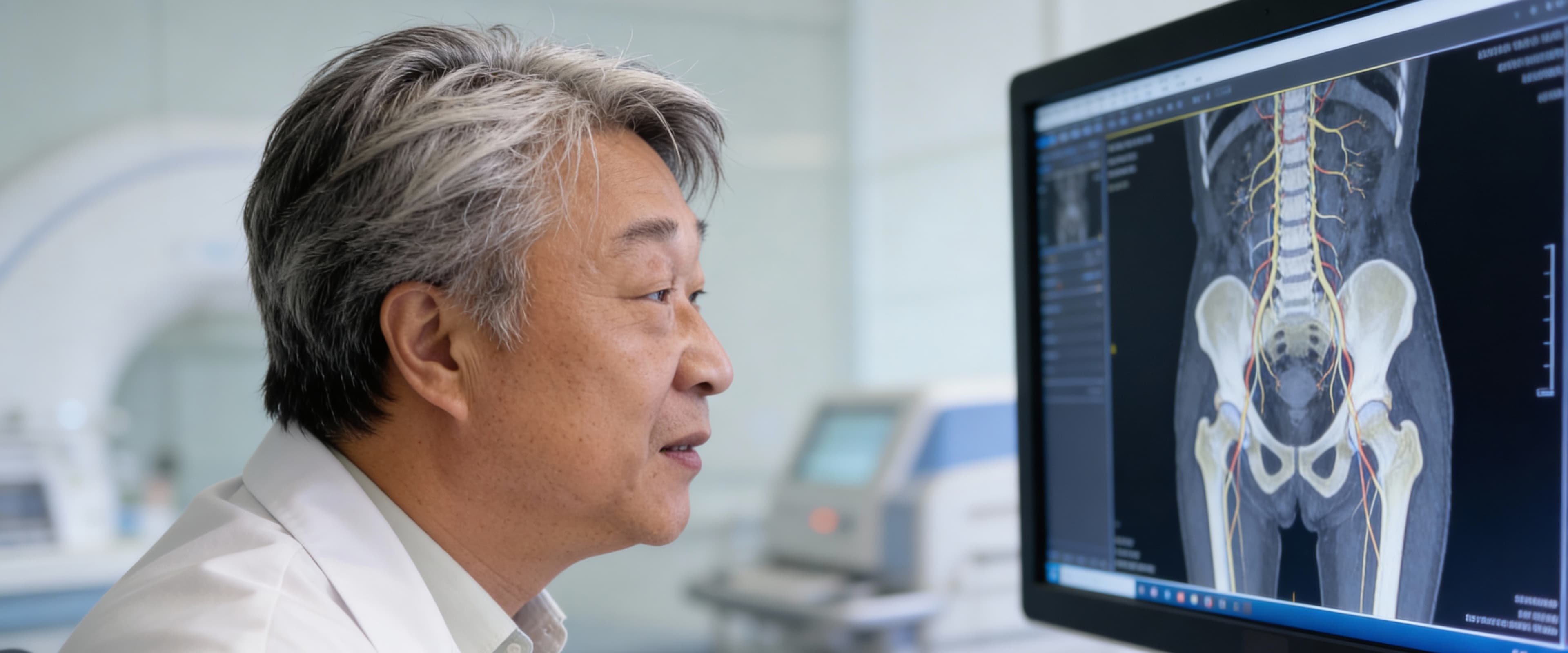

Surgery becomes an option only when pudendal nerve pain persists despite conservative care. Our specialists provide advanced, evidence-based surgical evaluation to help determine whether decompression is the right next step for you.




Most individuals with pudendal neuralgia improve through physiotherapy, nerve-focused treatments, and activity modifications. But for some, pain continues to affect sitting, daily activities, or quality of life.
Surgery is considered only when:
Strong evidence of pudendal nerve compression is present
Conservative treatments have not provided meaningful relief
Symptoms significantly limit work, mobility, or personal wellbeing
Our goal is to help you understand whether surgery is appropriate and only recommend it when we are confident it is the right next step.
Most individuals with pudendal neuralgia improve through physiotherapy, nerve-focused treatments, and activity modifications. But for some, pain continues to affect sitting, daily activities, or quality of life.
Surgery is considered only when:
Strong evidence of pudendal nerve compression is present
Conservative treatments have not provided meaningful relief
Symptoms significantly limit work, mobility, or personal wellbeing
Our goal is to help you understand whether surgery is appropriate and only recommend it when we are confident it is the right next step.

Pudendal nerve decompression is a highly specialized procedure performed at select centers worldwide.
At the Pelvic Institute, your care is led by internationally recognized surgeons with extensive experience in:
• Transgluteal pudendal decompression
• Transperineal and deep pelvic approaches
• Minimally invasive techniques when appropriate
Each surgery is tailored to your anatomy, diagnostic findings, and specific pattern of nerve irritation.
Pudendal nerve decompression is a highly specialized procedure performed at select centers worldwide.
At the Pelvic Institute, your care is led by internationally recognized surgeons with extensive experience in:
• Transgluteal pudendal decompression
• Transperineal and deep pelvic approaches
• Minimally invasive techniques when appropriate
Each surgery is tailored to your anatomy, diagnostic findings, and specific pattern of nerve irritation.

Our surgical approach is highly individualized. We use advanced techniques that allow precise decompression of the pudendal nerve while minimizing tissue disruption. Each procedure is tailored to your anatomy, diagnostic findings, and the specific pattern of nerve irritation identified during evaluation.
Procedures are minimally invasive and typically take 60 minutes, with same-day discharge in most cases. When indicated, surgery may include pudendal nerve decompression and piriformis release.
Our surgical approach is highly individualized. We use advanced techniques that allow precise decompression of the pudendal nerve while minimizing tissue disruption. Each procedure is tailored to your anatomy, diagnostic findings, and the specific pattern of nerve irritation identified during evaluation.
Procedures are minimally invasive and typically take 60 minutes, with same-day discharge in most cases. When indicated, surgery may include pudendal nerve decompression and piriformis release.
Your Surgical Journey
Finding the right path forward can feel overwhelming, especially when pain has persisted for months or years. That’s why we guide you through a clear, structured surgical journey that takes you from evaluation to recovery with clarity, confidence, and support at every step.
Evaluation
Understanding Your Case
Your journey begins with a detailed clinical assessment. We review your symptoms, history, and any previous imaging or treatments to understand whether pudendal nerve compression is likely and whether surgery should be considered.
Diagnosis
Pinpointing the Cause
We perform focused clinical tests, symptom mapping, and imaging when needed to identify the exact source of nerve irritation. In some cases, a diagnostic nerve block helps confirm pudendal neuralgia and rule out other potential causes.
Planning
Preparing With Confidence
If surgery is appropriate, we walk you through the procedure, explain expected outcomes, and answer all your questions. You’ll receive personalized preparation instructions so you feel informed and supported before the operation.
Surgery
Precise, Minimally Invasive Care
Your procedure is performed by experienced specialists using advanced techniques designed to decompress the pudendal nerve safely and effectively. Every surgical plan is tailored to your anatomy and diagnostic findings.
Recovery
Ongoing Support
Recovery typically includes a gradual return to activity and guided physiotherapy. We stay with you through scheduled follow-up visits to monitor healing, guide rehabilitation, and support long-term symptom improvement.


Need Clarity Before Deciding on Surgery?
Our specialists provide a detailed assessment to confirm whether pudendal nerve decompression is the right next step for you.
Why Patients Choose
Surgical Expertise
Pudendal nerve surgery requires a high level of precision and experience. At our centers in Dubai and Belgium, patients receive specialized surgical care for complex pelvic nerve conditions, guided by accurate diagnosis, advanced techniques, and a careful, individualized approach to treatment.

Specialized Expertise
Internationally recognized expertise in pudendal nerve surgery.

Advanced Techniques
Minimally invasive surgical approaches focused on nerve preservation.

Coordinated Care
Structured surgical care from evaluation through recovery.
Proven Experience
Extensive procedural experience supporting safe, evidence-based surgery.
Frequently Asked Questions
(FAQ)
Considering surgery often brings many questions, especially when pain has been persistent or difficult to diagnose. These FAQs offer clear, straightforward information about pudendal nerve decompression so you can feel supported and well-informed.
Surgery may be appropriate if you have persistent, significant symptoms despite structured conservative treatments such as physiotherapy, medications, or nerve blocks, and if diagnostic evaluation clearly indicates pudendal nerve compression.
The surgery aims to relieve pressure on the pudendal nerve by releasing surrounding tissues that are causing compression. Techniques vary depending on anatomy and diagnostic findings and may include transgluteal, transperineal, or minimally invasive laparoscopic approaches.
Potential risks include infection, bleeding, temporary numbness, or worsening of symptoms. In rare cases, nerve injury can occur. A specialist evaluation helps ensure surgery is recommended only when the benefits outweigh the risks.
Outcomes vary, but many well-selected patients experience meaningful pain reduction and improved function over time. Improvement is gradual, as nerve healing can take several months. Your surgeon will discuss realistic expectations based on your case.
Most patients begin light movement shortly after surgery. Initial improvement may be noticed within weeks, while complete recovery often develops over several months. Follow-up visits and physiotherapy are important parts of the recovery process.
Yes. Physiotherapy plays a key role in restoring mobility, improving pelvic function, and preventing tension around the nerve as it heals. Your care team will provide a customized rehabilitation plan.
Some discomfort is normal and managed with medication. Patients are usually advised to avoid prolonged sitting and strenuous activity early on. Your surgeon will guide you through each phase of recovery and help you return to daily activities safely.
Many patients experience long-term improvement, but results depend on factors such as symptom duration, cause of compression, and overall nerve health. Some individuals may still benefit from ongoing pelvic physiotherapy or additional treatments as part of comprehensive care.
Your Path Forward
Surgery is never the first step; it becomes the right step only when evaluation confirms a clear cause and conservative care has been fully explored without meaningful improvement. If you are considering whether pudendal nerve decompression may help you, our specialists are here to guide you with expertise, honesty, and compassion.