

Prostatitis


Find clarity when symptoms persist without answers. Our specialists evaluate complex pelvic and nerve-related conditions that can present as prostatitis and help determine the most appropriate next steps for your care.
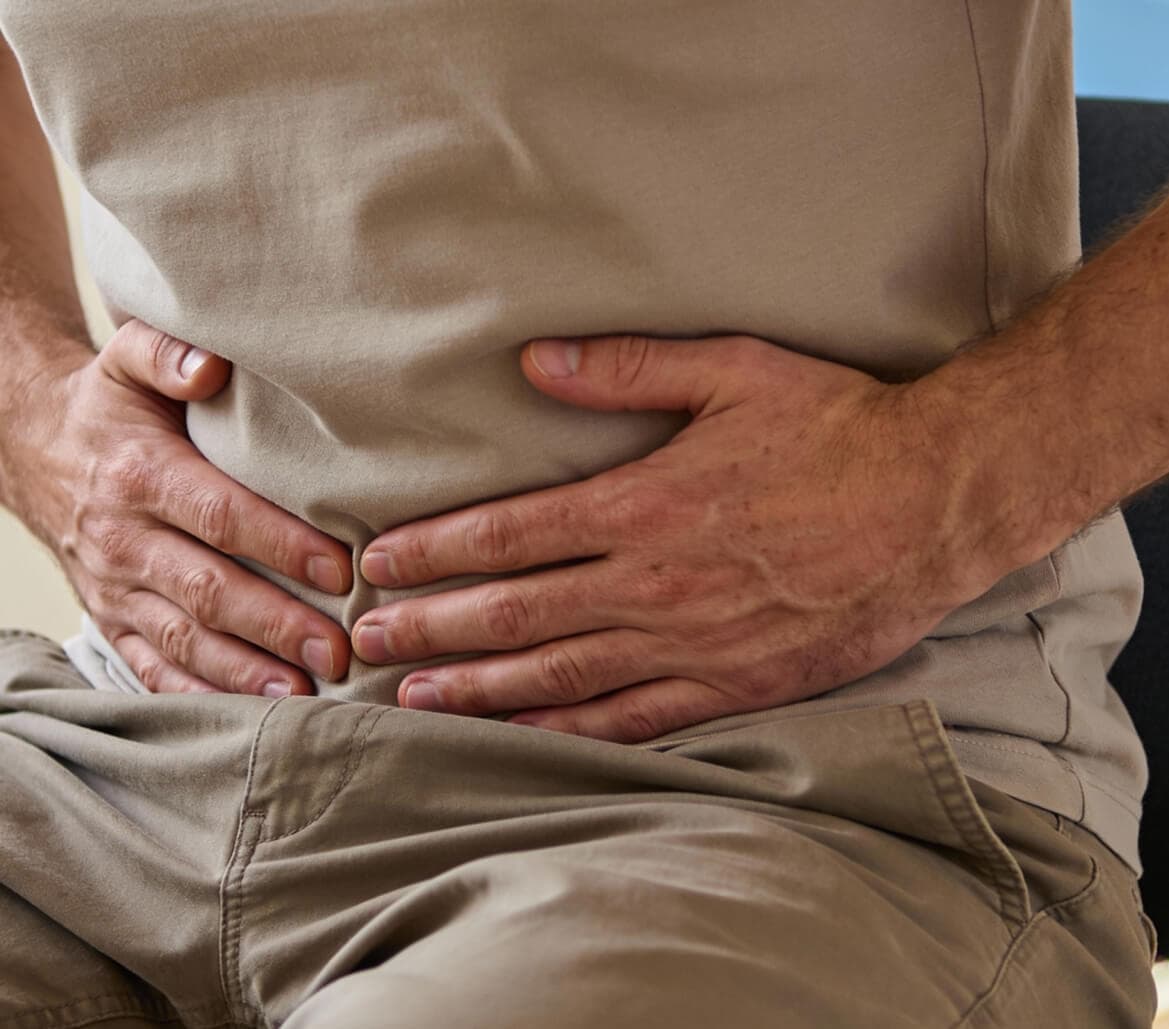
Prostatitis is a condition characterized by pain, discomfort, or functional symptoms affecting the prostate and surrounding pelvic region. While some forms are caused by infection, many patients experience chronic symptoms without evidence of bacteria. In these cases, pain may originate from pelvic muscles, nerves, or surrounding structures rather than the prostate itself.
Accurate diagnosis is essential, as effective treatment depends on identifying the true source of symptoms.
Prostatitis is a condition characterized by pain, discomfort, or functional symptoms affecting the prostate and surrounding pelvic region. While some forms are caused by infection, many patients experience chronic symptoms without evidence of bacteria. In these cases, pain may originate from pelvic muscles, nerves, or surrounding structures rather than the prostate itself.
Accurate diagnosis is essential, as effective treatment depends on identifying the true source of symptoms.

Prostatitis and prostatitis-like conditions may present with a wide range of symptoms, including:
• Pelvic, perineal, or rectal pain
• Pain in the lower abdomen, groin, or lower back
• Discomfort during or after sitting
• Pain during or after ejaculation
• Urinary urgency, frequency, or burning sensations
• A feeling of pressure or fullness in the pelvic area
• Sexual dysfunction or pain-related limitations
Symptoms can fluctuate over time and are often mistaken for infections, urological disorders, or purely prostate-related issues.
Prostatitis and prostatitis-like conditions may present with a wide range of symptoms, including:
• Pelvic, perineal, or rectal pain
• Pain in the lower abdomen, groin, or lower back
• Discomfort during or after sitting
• Pain during or after ejaculation
• Urinary urgency, frequency, or burning sensations
• A feeling of pressure or fullness in the pelvic area
• Sexual dysfunction or pain-related limitations
Symptoms can fluctuate over time and are often mistaken for infections, urological disorders, or purely prostate-related issues.

Prostatitis symptoms can arise from multiple contributing factors, including:
• Bacterial or inflammatory processes
• Pelvic floor muscle tension or dysfunction
• Pudendal or pelvic nerve irritation
• Prolonged sitting or physical strain
• Previous pelvic surgery or trauma
• Stress-related neuromuscular responses
• Overlap with chronic pelvic pain syndromes
In many patients, symptoms persist because the underlying cause is not isolated to the prostate alone.
Prostatitis symptoms can arise from multiple contributing factors, including:
• Bacterial or inflammatory processes
• Pelvic floor muscle tension or dysfunction
• Pudendal or pelvic nerve irritation
• Prolonged sitting or physical strain
• Previous pelvic surgery or trauma
• Stress-related neuromuscular responses
• Overlap with chronic pelvic pain syndromes
In many patients, symptoms persist because the underlying cause is not isolated to the prostate alone.
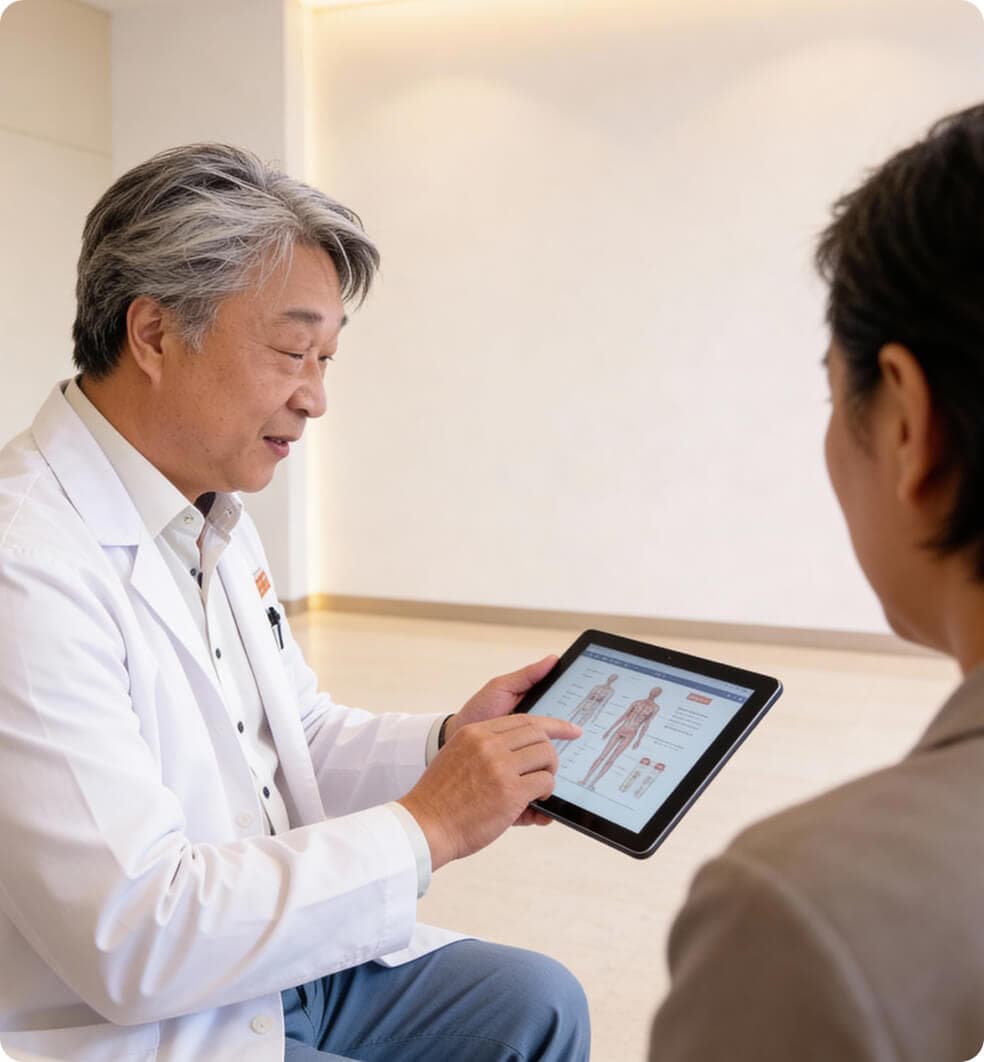
Prostatitis symptoms often overlap with pelvic floor dysfunction and nerve-related pain, making diagnosis complex. We do not rely on symptoms alone.
Our evaluation may include:
• Detailed medical and symptom history
• Focused pelvic and neurological examination
• Assessment of pelvic floor muscle function
• Evaluation for nerve-related pain patterns
• Review of prior testing and treatments
• Advanced diagnostics when appropriate
• Differential diagnosis to rule out related pelvic conditions
This approach helps determine whether symptoms originate from the prostate, pelvic muscles, nerves, or a combination of factors.
Prostatitis symptoms often overlap with pelvic floor dysfunction and nerve-related pain, making diagnosis complex. We do not rely on symptoms alone.
Our evaluation may include:
• Detailed medical and symptom history
• Focused pelvic and neurological examination
• Assessment of pelvic floor muscle function
• Evaluation for nerve-related pain patterns
• Review of prior testing and treatments
• Advanced diagnostics when appropriate
• Differential diagnosis to rule out related pelvic conditions
This approach helps determine whether symptoms originate from the prostate, pelvic muscles, nerves, or a combination of factors.

Treatment depends on the identified cause and may include:
• Pelvic floor physiotherapy
• Muscle relaxation and neuromuscular retraining
• Targeted pain management strategies
• Lifestyle and activity modifications
• Image-guided injections in selected cases
• Coordinated care with urology when appropriate
Many patients improve with conservative treatment once the correct source of pain is identified. Ongoing assessment ensures care remains appropriate and targeted.
Treatment depends on the identified cause and may include:
• Pelvic floor physiotherapy
• Muscle relaxation and neuromuscular retraining
• Targeted pain management strategies
• Lifestyle and activity modifications
• Image-guided injections in selected cases
• Coordinated care with urology when appropriate
Many patients improve with conservative treatment once the correct source of pain is identified. Ongoing assessment ensures care remains appropriate and targeted.
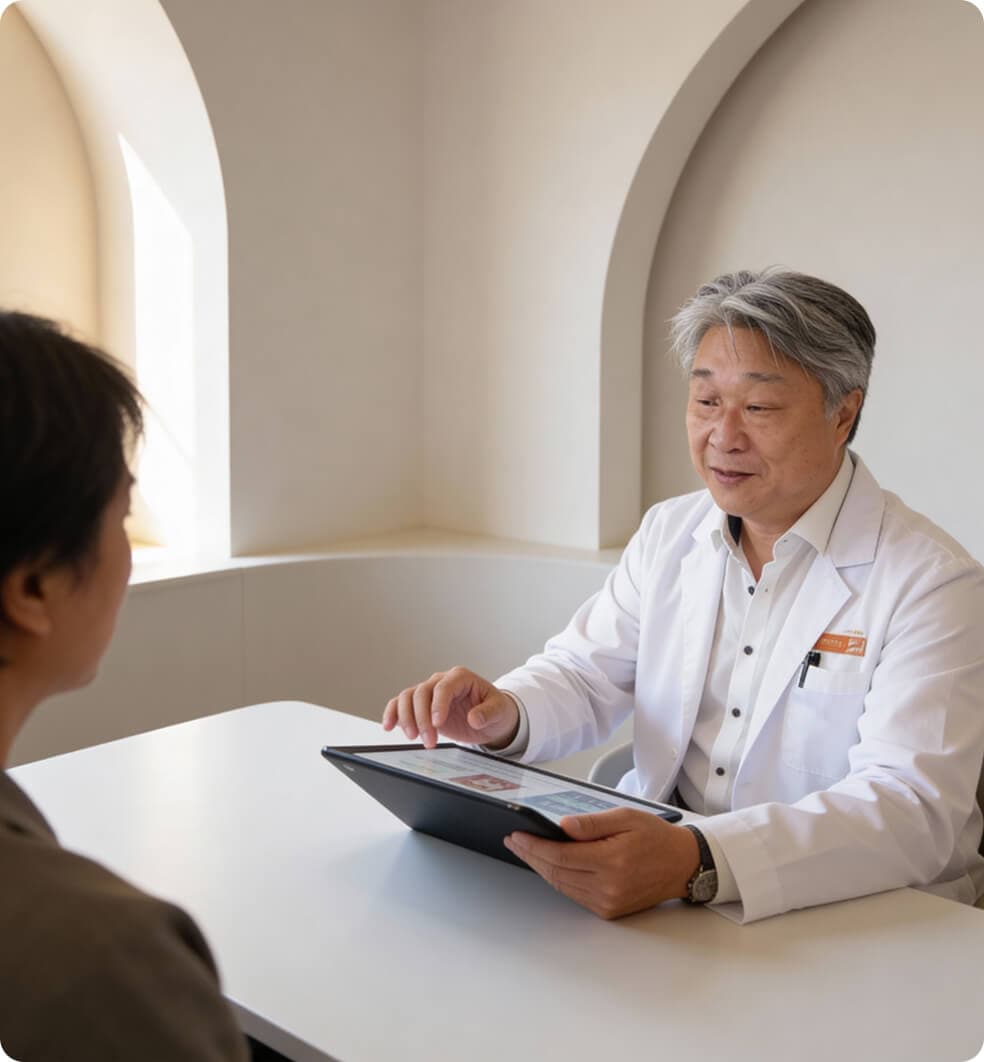
Specialist evaluation may be helpful if:
• Symptoms persist despite antibiotics or standard urological care
• Pain has lasted for several months or longer
• Symptoms recur after temporary improvement
• Pelvic pain interferes with daily activities or quality of life
• You’ve received conflicting diagnoses
• Testing shows no clear infection but symptoms continue
A specialized evaluation can clarify whether prostatitis symptoms are driven by pelvic muscle or nerve involvement and help guide next steps.
Specialist evaluation may be helpful if:
• Symptoms persist despite antibiotics or standard urological care
• Pain has lasted for several months or longer
• Symptoms recur after temporary improvement
• Pelvic pain interferes with daily activities or quality of life
• You’ve received conflicting diagnoses
• Testing shows no clear infection but symptoms continue
A specialized evaluation can clarify whether prostatitis symptoms are driven by pelvic muscle or nerve involvement and help guide next steps.
Your Care Journey
Living with unresolved pelvic symptoms can feel overwhelming. We guide you through a clear, structured pathway from your first consultation to long-term management, focused on understanding the root cause of your condition.
Consultation
Start With Clarity
Your journey begins with an online or in-person consultation. We take time to understand your symptoms, history, and previous treatments to assess whether your condition may involve the prostate, pelvic muscles, or pelvic nerves.
Diagnosis
Pinpointing the Cause
Through focused examination and targeted diagnostics, we identify what is truly contributing to your symptoms. This allows us to distinguish prostatitis from other pelvic pain conditions and provide a clear diagnostic direction.
Treatment Plan
Your Path Forward
We begin with conservative, evidence-based treatments tailored to your diagnosis. Progress is monitored carefully, and the plan is adjusted based on your response and clinical findings.
When Needed
Advanced Care
If more advanced care becomes appropriate, we discuss options clearly and collaboratively. All recommendations are based on confirmed findings and clinical necessity.
Recovery
Ongoing Support
Care continues beyond initial treatment. We provide follow-up guidance, rehabilitation strategies, and ongoing support to help manage symptoms and improve long-term function.

Persistent Symptoms? It May Not Be an Infection.
Many patients are treated repeatedly for infections without lasting relief. When symptoms persist, the cause may lie in pelvic muscles or nerve structures rather than the prostate itself. A focused evaluation can uncover the true source of symptoms and help guide more effective care.
Why Specialized
Evaluation Matters
Prostatitis symptoms often persist without a clear cause and may overlap with muscle or nerve-related conditions. At our centers in Dubai and Belgium, specialized evaluation helps clarify the true source of symptoms and guide appropriate care, even when answers have been difficult to find.

Focused Expertise
Focused evaluation of chronic prostatitis and pelvic pain syndromes.

Differential Diagnosis
Assessment to distinguish prostate-related symptoms from muscle or nerve causes.

Targeted Testing
Targeted clinical testing to clarify contributing pelvic or nerve involvement.

Treatment Planning
Clear care pathways based on confirmed findings and individual symptom patterns.
Frequently Asked Questions
(FAQ)
Prostatitis symptoms can overlap with pelvic floor dysfunction, nerve-related pain, and other pelvic conditions, making diagnosis complex. These FAQs address common questions and help clarify when a specialized evaluation may be helpful.
Prostatitis symptoms often overlap with pelvic floor muscle dysfunction and pelvic nerve irritation. While prostate-related conditions can cause pain and urinary symptoms, similar complaints may originate from muscles or nerves surrounding the prostate. A structured pelvic evaluation helps distinguish between these sources.
No. Many patients diagnosed with prostatitis do not have a bacterial infection. Chronic prostatitis symptoms are often non-bacterial and may be related to muscle tension, nerve sensitivity, or chronic pelvic pain mechanisms rather than infection alone.
Antibiotics are effective only when bacteria are present. If symptoms persist after antibiotic treatment, it often indicates a non-infectious cause such as pelvic floor dysfunction or nerve-related pain, which requires a different treatment approach.
Standard tests may help rule out infection or other conditions, but they do not always identify the source of chronic pelvic pain. Diagnosis often relies on clinical evaluation, symptom patterns, and targeted pelvic and neurological assessment rather than imaging alone.
Yes. Pain with ejaculation or sexual activity is common in prostatitis and prostatitis-like conditions. This symptom is frequently linked to pelvic muscle tension or nerve irritation rather than the prostate itself.
Fluctuating symptoms are common in chronic pelvic conditions. Sitting, stress, or prolonged muscle activation can increase pelvic floor tension and nerve sensitivity, which may temporarily worsen pain or urinary symptoms.
Treatment depends on the underlying cause and may include pelvic floor physiotherapy, neuromuscular retraining, pain modulation strategies, lifestyle adjustments, and targeted interventions when appropriate. Care is individualized and often progresses step by step.
Specialist evaluation is recommended if symptoms persist for months, recur despite treatment, interfere with daily life or sexual function, or if testing shows no infection but symptoms continue. A focused pelvic assessment can clarify the diagnosis and guide appropriate next steps.
Still unsure about your symptoms?
Our specialists can help you understand what’s causing your pain and guide you toward the right next steps.